Table of Contents
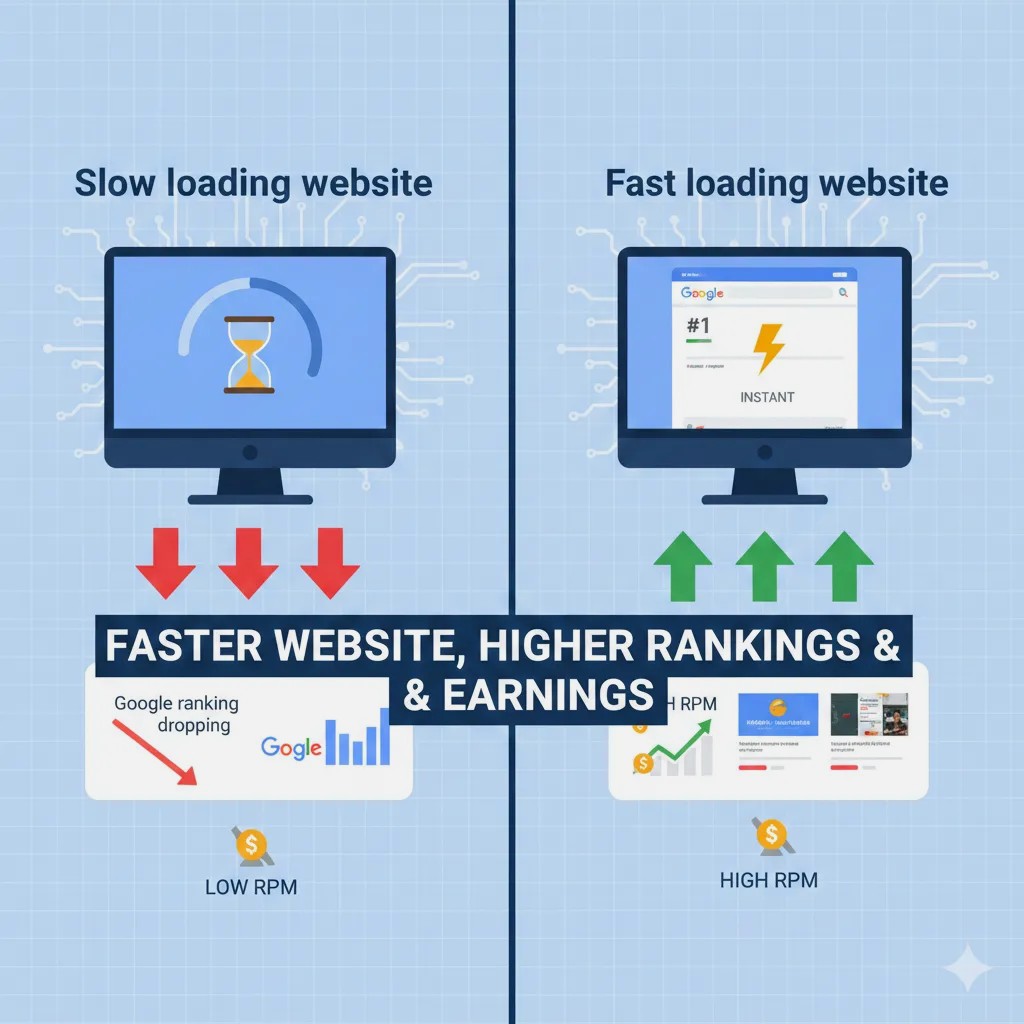
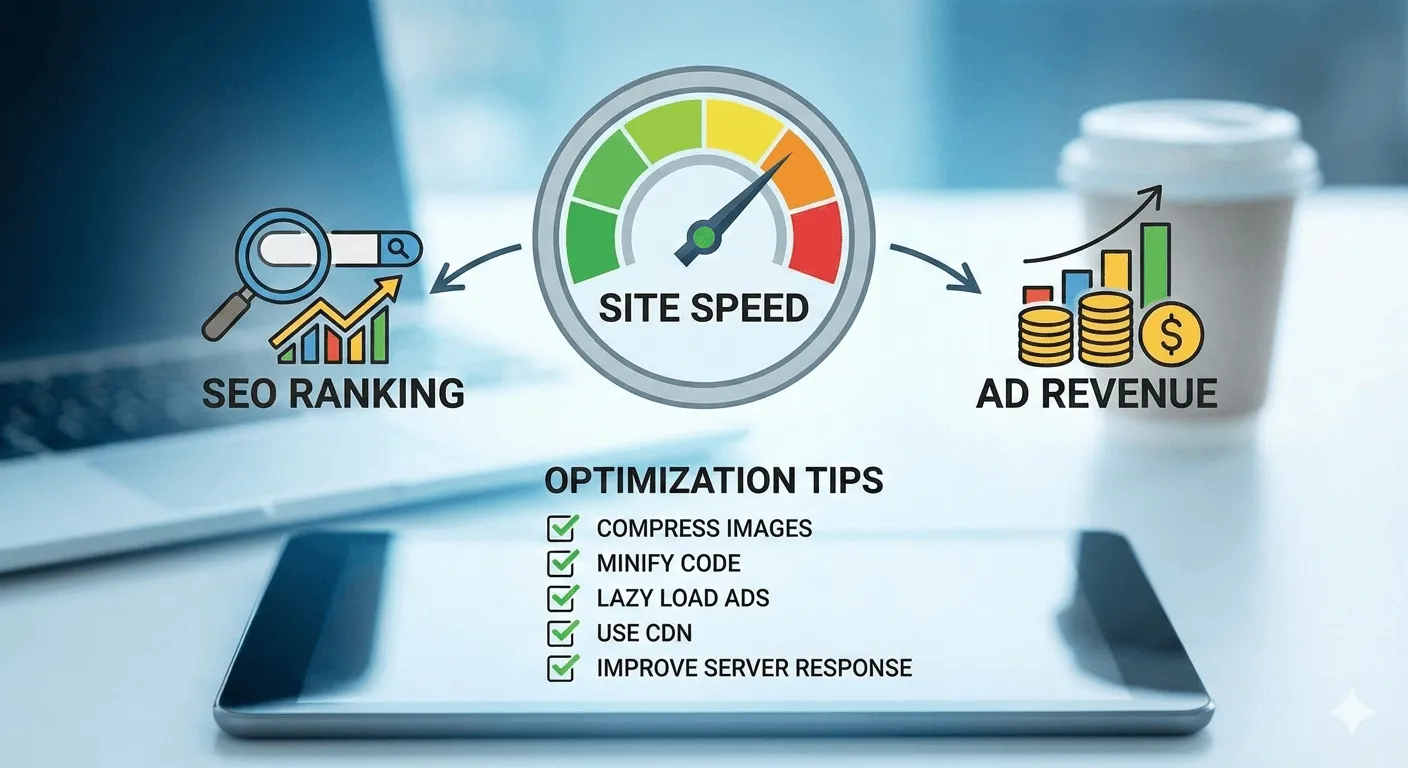
Website speed is no longer optional—it directly affects both SEO and ad revenue. Slow-loading pages frustrate visitors, increase bounce rates, and can harm your Google rankings. Following effective Speed Optimization Tips That Improve SEO & Ad Revenue ensures your website loads quickly, keeps visitors engaged, and maximizes earnings from ads.
Implementing these Speed Optimization Tips That Improve SEO & Ad Revenue is essential for website owners in the USA who want higher traffic, better search engine visibility, and improved ad performance. From bloggers to small business owners, optimizing speed impacts every aspect of your online presence. By focusing on the right strategies, you can enhance user experience, boost search rankings, and increase revenue potential.
Why Website Speed Directly Impacts SEO and Ad Revenue
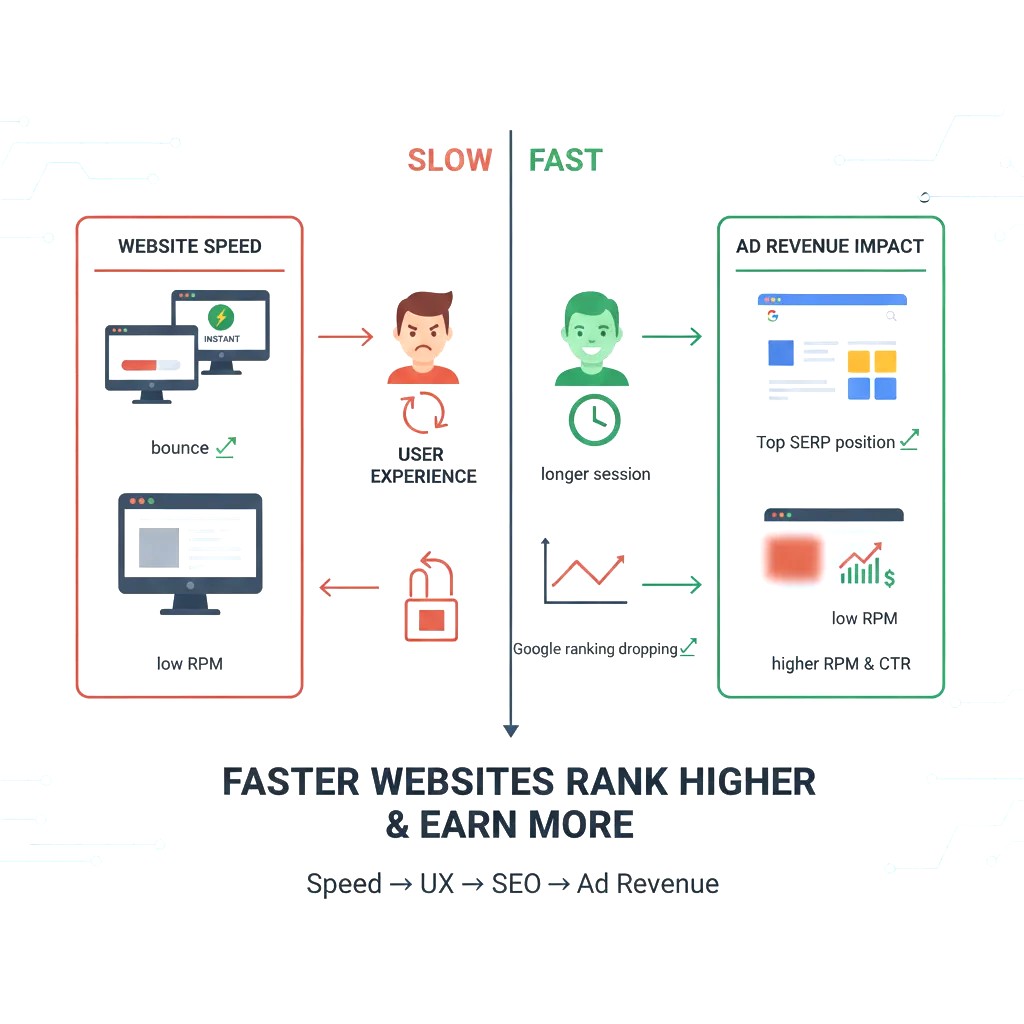
Website speed is one of the most important factors influencing both SEO and ad revenue. A fast-loading website provides a better user experience, reduces bounce rates, and encourages visitors to stay longer. Google also considers page speed as a ranking factor, meaning that slower sites may rank lower in search results, reducing organic traffic and potential ad impressions.
Implementing Speed Optimization Tips That Improve SEO & Ad Revenue ensures your site not only meets user expectations but also adheres to search engine best practices. Faster websites lead to more page views, higher engagement, and improved ad performance, directly impacting revenue.
Page Speed and User Experience
Visitors expect web pages to load quickly. Slow pages frustrate users, causing them to leave before engaging with content or viewing ads. By applying Speed Optimization Tips That Improve SEO & Ad Revenue, you can enhance user experience, increase session duration, and drive more revenue from ads.
Speed as a Google Ranking Factor
Google uses Core Web Vitals and other metrics to evaluate page speed. Sites that load faster are more likely to rank higher, increasing visibility and traffic. Higher traffic combined with faster page rendering means more ad impressions, clicks, and ultimately higher revenue. Following Speed Optimization Tips That Improve SEO & Ad Revenue helps ensure your site performs well in search rankings while maximizing monetization opportunities.
Optimize Images for Faster Loading
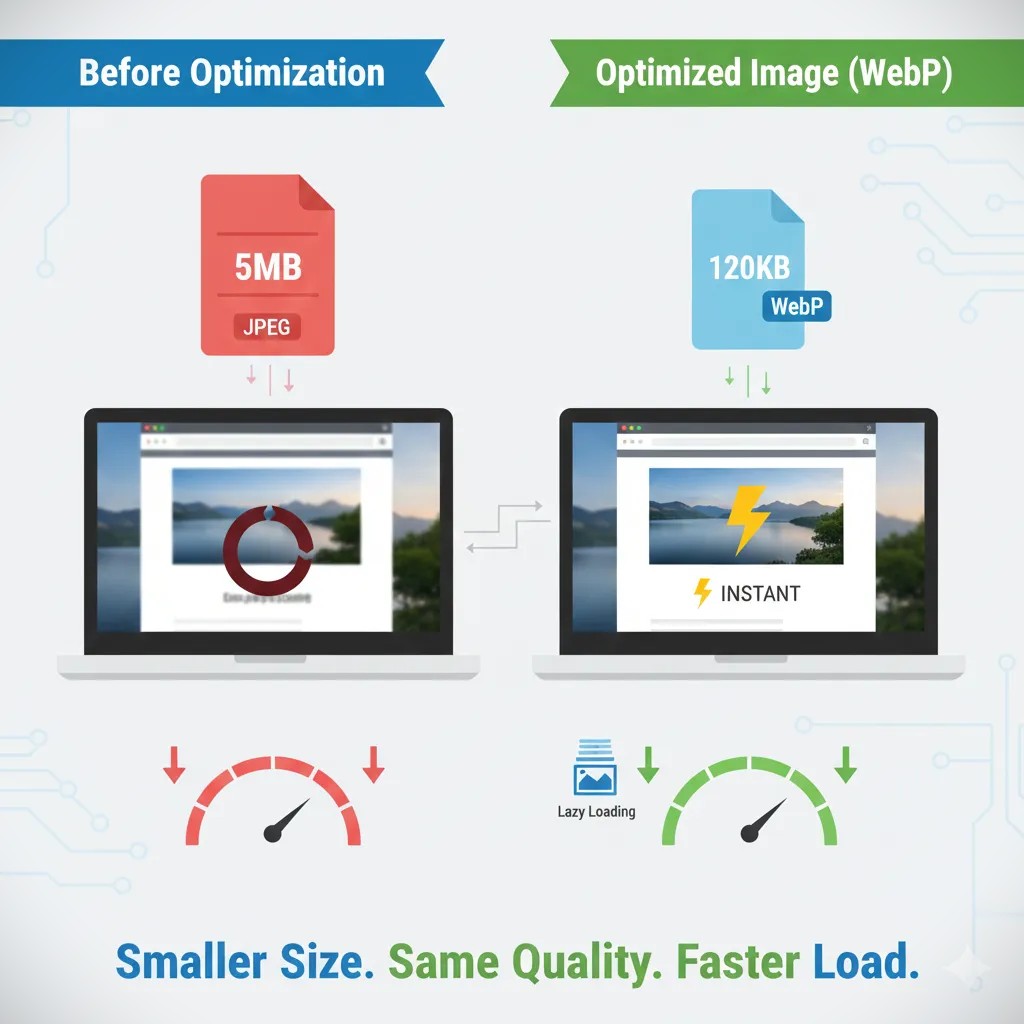
Images are often the largest elements on a website, and unoptimized images can drastically slow down your pages. Optimizing images is one of the most effective Speed Optimization Tips That Improve SEO & Ad Revenue, helping your website load faster while maintaining visual quality. Faster-loading images enhance user experience, reduce bounce rates, and contribute to higher ad impressions.
Use Next-Gen Formats (WebP/AVIF)
Next-generation image formats like WebP and AVIF provide high-quality visuals at smaller file sizes compared to JPEG or PNG. Converting images to these formats is a crucial part of the Speed Optimization Tips That Improve SEO & Ad Revenue, ensuring pages load quickly without sacrificing appearance.
Compress Images Without Losing Quality
Image compression reduces file size, which significantly improves load times. Tools like TinyPNG, ShortPixel, or Smush can compress images while maintaining clarity. Incorporating this step into your Speed Optimization Tips That Improve SEO & Ad Revenue routine ensures faster pages, better SEO scores, and increased ad revenue.
Implement Lazy Loading
Lazy loading ensures images only load when they appear in the user’s viewport, reducing initial page load times. This technique is a key Speed Optimization Tip That Improve SEO & Ad Revenue, especially for content-heavy pages with many visuals.
Alt Text and SEO Considerations
While optimizing images, remember to include descriptive alt text with relevant keywords. This not only helps accessibility but also improves SEO performance. Proper image optimization is a simple yet powerful component of Speed Optimization Tips That Improve SEO & Ad Revenue.
Leverage Caching and CDN
One of the most effective Speed Optimization Tips That Improve SEO & Ad Revenue is leveraging caching and a Content Delivery Network (CDN). These tools reduce server load, improve page load times, and ensure a smooth experience for visitors worldwide. Faster-loading websites not only rank better in search engines but also generate more ad impressions, increasing revenue.
Browser Caching
Browser caching stores frequently used resources locally on the user’s device. By implementing browser caching, your site loads faster for repeat visitors. This simple strategy is a core component of Speed Optimization Tips That Improve SEO & Ad Revenue, enhancing user experience and boosting both SEO rankings and ad revenue.
Content Delivery Network (CDN)
A CDN distributes your website content across multiple servers around the world. When a visitor accesses your site, the CDN serves content from the server nearest to them, significantly reducing load times. Using a CDN is a proven Speed Optimization Tip That Improve SEO & Ad Revenue, especially for sites with a global audience, as it ensures consistent fast performance and higher ad engagement.
Benefits of Combining Caching and CDN
Together, caching and CDNs reduce server requests, decrease page load times, and minimize latency. Incorporating these strategies into your website setup ensures that your Speed Optimization Tips That Improve SEO & Ad Revenue are effective, making your site faster, more SEO-friendly, and more profitable through ad performance.
Minimize CSS, JavaScript, and HTML
Reducing the size of CSS, JavaScript, and HTML files is a crucial step in Speed Optimization Tips That Improve SEO & Ad Revenue. Large, unoptimized files increase page load times, harming user experience, SEO rankings, and ad revenue potential. By minimizing and optimizing code, your website can load faster and perform more efficiently.
Combine and Minify Files
Combining multiple CSS and JavaScript files into one and minifying them (removing whitespace, comments, and unnecessary code) reduces HTTP requests and file size. This is a key Speed Optimization Tip That Improve SEO & Ad Revenue, as it directly improves page rendering speed.
👉 External Reference:
- Google Developers – Optimize CSS Delivery: https://developers.google.com/speed/docs/insights/OptimizeCSSDelivery
- Google Developers – Minify JavaScript: https://developers.google.com/speed/docs/insights/MinifyResources
Asynchronous Loading
Loading JavaScript asynchronously allows your page to render without waiting for all scripts to finish. This technique is a proven Speed Optimization Tip That Improve SEO & Ad Revenue, helping pages load faster and improving both user experience and ad revenue.
Reduce HTML Bloat
Clean, semantic HTML code improves rendering speed and SEO readability. Removing unnecessary tags, comments, and inline styles is another effective Speed Optimization Tip That Improve SEO & Ad Revenue, contributing to faster page load and better monetization.
Optimize Web Hosting and Server Performance

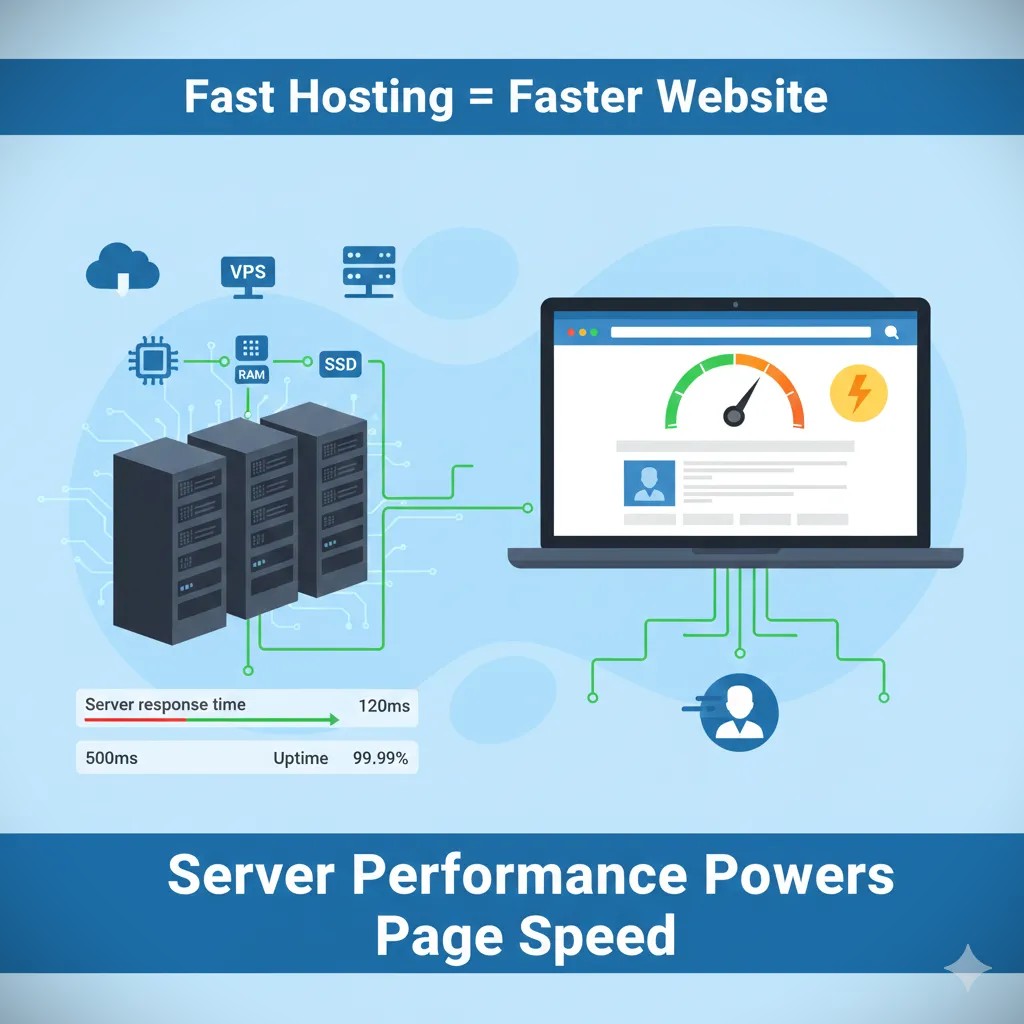
Choosing the right hosting and optimizing server performance is a critical step in Speed Optimization Tips That Improve SEO & Ad Revenue. Even with optimized images and code, a slow or unreliable server can dramatically increase page load times, negatively impacting SEO rankings and ad revenue.
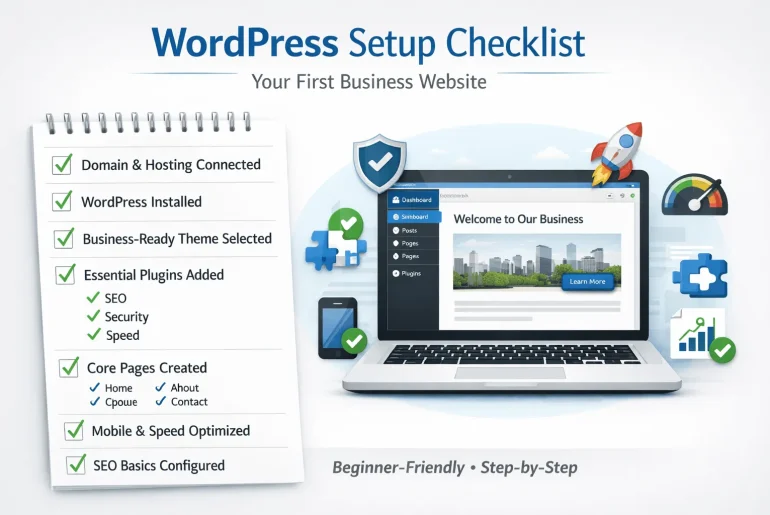
EXTRA -YOU CAN READ ABOUT Setup Checklist: WordPress for Your First Business Website BY VISIT THIS ARTICLEhttps://elixvibe.com/wp-admin/post.php?post=4821&action=edit
Choose a Fast, Reliable Hosting Provider
Selecting a hosting provider that specializes in performance-optimized servers is essential. Managed WordPress hosting, VPS, or dedicated servers often deliver faster response times than shared hosting. This is one of the most important Speed Optimization Tips That Improve SEO & Ad Revenue, as a reliable server ensures consistent speed and uptime.
👉 External Reference:
- WPBeginner – Best WordPress Hosting for Speed: https://www.wpbeginner.com/wordpress-hosting/
Enable GZIP Compression and HTTP/2
Enabling GZIP compression reduces the size of files sent from your server to the visitor’s browser, speeding up page load. HTTP/2 further improves loading performance by allowing multiple requests to be sent simultaneously. These technical tweaks are key Speed Optimization Tips That Improve SEO & Ad Revenue, helping your site load faster and improve SEO rankings.
👉 External Reference:
- Google Developers – Optimize HTTP Requests: https://developers.google.com/web/fundamentals/performance/optimizing-content-efficiency/http2
Monitor Server Performance Regularly
Regular server monitoring ensures that your website maintains speed and uptime. Monitoring tools help detect slowdowns, downtime, or configuration issues, making this another essential Speed Optimization Tip That Improve SEO & Ad Revenue.
Monitor and Test Website Speed Regularly
Regularly monitoring and testing your website speed is an essential part of Speed Optimization Tips That Improve SEO & Ad Revenue. Even after optimizing images, code, and hosting, performance can degrade over time due to new content, plugins, or traffic spikes. Consistent testing ensures your site remains fast, user-friendly, and monetization-ready.
Use Google PageSpeed Insights & Lighthouse
Google PageSpeed Insights and Lighthouse provide detailed insights into page speed, performance scores, and actionable recommendations. Utilizing these tools is a critical Speed Optimization Tip That Improve SEO & Ad Revenue, as they help identify bottlenecks and track improvements.
👉 External Reference:
- Google PageSpeed Insights: https://developers.google.com/speed/pagespeed/insights/
Track Core Web Vitals
Core Web Vitals—Largest Contentful Paint (LCP), First Input Delay (FID), and Cumulative Layout Shift (CLS)—are key metrics Google uses for ranking. Monitoring these metrics regularly ensures your site meets SEO standards and provides a smooth user experience, boosting ad impressions and revenue. Implementing this is part of Speed Optimization Tips That Improve SEO & Ad Revenue.
Monitor Ad Performance
Speed improvements directly influence ad revenue. Faster pages load ads more efficiently, increasing impressions and clicks. Use analytics platforms to monitor ad metrics alongside speed metrics. Incorporating this practice is another effective Speed Optimization Tip That Improve SEO & Ad Revenue.
Conclusion & Call-to-Action
Following these Speed Optimization Tips That Improve SEO & Ad Revenue ensures your website delivers a fast, seamless experience for visitors while boosting SEO rankings and maximizing ad revenue. From optimizing images, minimizing code, leveraging caching and CDN, to choosing the right hosting and monitoring performance, each step contributes to a stronger, more profitable website.
Implementing these tips not only improves user experience but also enhances search engine visibility, increases page views, and drives higher ad engagement. Regularly testing your website speed ensures sustained performance and helps you identify opportunities for further optimization.
Take Action Now: Start applying these Speed Optimization Tips That Improve SEO & Ad Revenue today. Optimize your images, enable caching, choose a reliable hosting provider, and monitor Core Web Vitals. Share this guide with fellow website owners, bookmark it as a reference, and watch your SEO and ad revenue grow as your site speeds up.